Biohacking for beginners in Australia: where to start (and what to skip)

A practical biohacking guide for Australians and New Zealanders. The five foundations that matter most, the gadgets worth considering, and how to build a routine you will actually keep.
Biohacking has a reputation for extremes: ice baths at dawn, a cupboard of supplements, a wrist full of trackers. In practice, the people who get the most out of it in Australia and New Zealand do something much simpler. They get a handful of basics right, measure a little, and only then add tools.
Here is where to start, in order.
What biohacking actually means
Biohacking is making deliberate changes to your routine, environment or tools so you feel and perform better. Think of it as running small experiments on yourself, then keeping what works. Nothing about it needs to be expensive or extreme.
Foundation 1: sleep
Sleep is the highest return biohack there is. A consistent wake time, a cool dark room (around 17 to 19 degrees) and no screens in the last half hour will do more than any gadget. Start here before anything else.
Foundation 2: light
Get outside within an hour of waking. Morning light helps set your body clock, which makes it easier to fall asleep at night. In much of Australia this is easy for most of the year, so use it.
Foundation 3: movement
Strength training two to three times a week and plenty of walking. Finish hard sessions at least three hours before bed so your nervous system has time to settle.
Foundation 4: food and caffeine timing
Mostly whole foods, enough protein, and a caffeine cut off around midday. Caffeine stays in your system for hours, and alcohol in the evening tends to break up the second half of the night.
Foundation 5: stress and recovery
Slow breathing, time outdoors and real downtime. Recovery is where the benefit of training actually happens, so treat it as part of the plan, not an afterthought.
Then add tools, one at a time
Once the foundations are steady, tools can help. Popular options in Australia include:
- Sleep and HRV trackers such as Oura or Whoop, for spotting trends over weeks
- Sauna and cold plunge, now common in Australian gyms and recovery studios
- Red light panels, used in short sessions
- PEMF mats and grounding sheets, used during rest or sleep
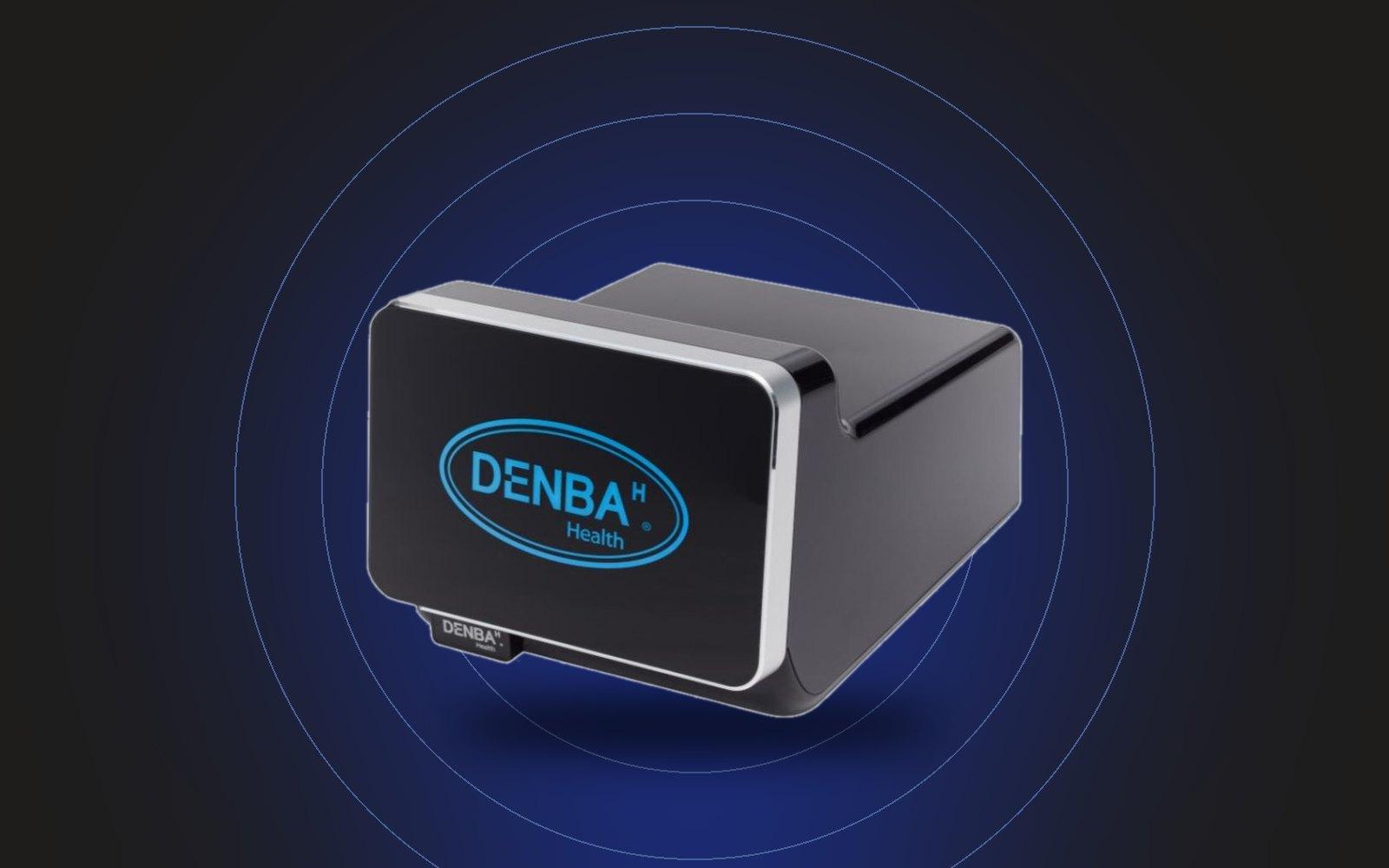
- Passive wellness technology such as DENBA, which runs in the background while you sleep
Add one tool at a time and give it a few weeks. If you change five things at once, you will never know what made the difference.
What to skip as a beginner
- Stacking lots of supplements before your sleep and diet are sorted
- Chasing a single night’s tracker score instead of the two week trend
- Any product that promises to cure or treat a medical condition
- Routines so demanding you drop them after a fortnight
The easiest habit is the one that needs no effort
Most biohacks cost you time every day. That is why passive tools are popular with busy people: you set them up once and they work in the background. DENBA Health is one of them. It sits near your bed and creates a gentle electric potential field while you sleep, with nothing to wear and nothing to remember.
Read more about biohacking in Australia with DENBA, or try it at home for 30 nights with a refundable $199 deposit.
Try DENBA for 30 nights.
$199 fully refundable deposit. Free shipping across Australia and New Zealand.
Start your trialThis article is general information only and is not medical advice. DENBA Health is a wellness device and is not intended to diagnose, treat, cure or prevent any disease. Speak with your doctor about any health concern.
DENBA vs PEMF: what is the difference?
DENBA and PEMF are often mentioned together, but they work differently. A plain English comparison of electric potential and pulsed electromagnetic field technology, and how each is used.

The biohacker’s evening routine: a sleep biohack you can start tonight
A simple evening routine built around how sleep actually works. Light, temperature, food timing and wind down, plus the one step that takes no effort at all.