DENBA vs PEMF: what is the difference?
DENBA and PEMF are often mentioned together, but they work differently. A plain English comparison of electric potential and pulsed electromagnetic field technology, and how each is used.
If you are into recovery or biohacking, you have probably come across PEMF mats. DENBA is often lumped in with them, but the two technologies work in quite different ways. Here is a clear comparison so you can decide what suits you.
What is PEMF?
PEMF stands for pulsed electromagnetic field. A PEMF device sends pulses of magnetic energy through a mat, pad or coil. You usually lie on the mat or place the pad on a specific area for a set session. PEMF has a long history in clinical research, much of it focused on targeted areas such as joints and tissue.
What is DENBA?
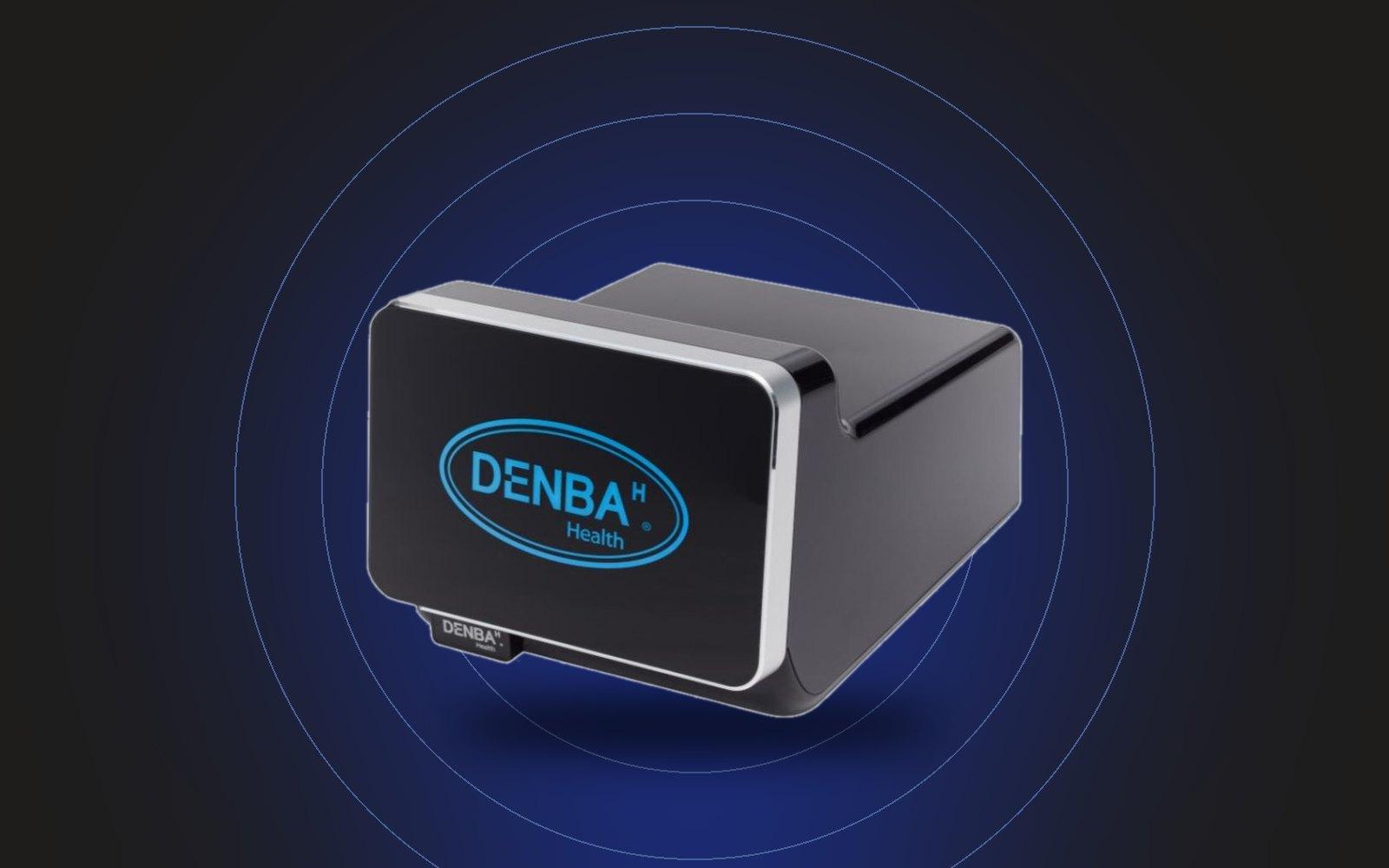
DENBA uses electric potential technology developed in Japan. Instead of magnetic pulses, it creates a gentle, steady electric potential field that surrounds you in every direction, up to about 1.5 metres from the mat. The technology began in food preservation and is patented in 49 countries. The idea is that the field gently animates water molecules, and the body is more than 60 percent water.
The key differences
- Type of field: PEMF uses pulsed magnetic fields. DENBA uses an electric potential field.
- Contact: PEMF usually needs you on or right next to the mat. DENBA needs no contact and works through a mattress or from a nearby sofa.
- Coverage: PEMF tends to target an area. DENBA covers the whole body at once.
- Time: PEMF is usually used in set sessions. DENBA runs in the background while you sleep, rest or work.
- Sharing: a PEMF mat is one person at a time. Everyone within the DENBA field shares it, including a partner or pet.
Which is right for you?
If you want a targeted session for one area, PEMF may suit you. If you want something that fits into sleep and rest with no extra time in your day, DENBA is designed for exactly that. Some people use both.
What the research says
DENBA technology has been studied at universities including the University of Tokyo, Keio University and the University of Tsukuba, covering areas such as autonomic nervous system activity and sleep. The research is early and promising, and independent peer reviewed data is still limited, so we will not overstate it. DENBA is a wellness device, not a medical device.
See how DENBA compares with PEMF, red light and grounding on our biohacking page.
Try DENBA for 30 nights.
$199 fully refundable deposit. Free shipping across Australia and New Zealand.
Start your trialThis article is general information only and is not medical advice. DENBA Health is a wellness device and is not intended to diagnose, treat, cure or prevent any disease. Speak with your doctor about any health concern.

Biohacking for beginners in Australia: where to start (and what to skip)
A practical biohacking guide for Australians and New Zealanders. The five foundations that matter most, the gadgets worth considering, and how to build a routine you will actually keep.

The biohacker’s evening routine: a sleep biohack you can start tonight
A simple evening routine built around how sleep actually works. Light, temperature, food timing and wind down, plus the one step that takes no effort at all.