How to improve deep sleep: 7 habits that actually move the needle

Deep sleep is when your body does its heaviest repair work. Seven practical, evidence informed habits to get more of it, plus where passive recovery technology fits in.
Deep sleep, also called slow wave sleep, is the stage where brain activity slows into long delta waves. It is when growth hormone peaks and the body prioritises physical repair. Most adults get somewhere between 13 and 23 percent of the night in this stage, and it naturally declines with age.
The good news: deep sleep responds to how you live during the day. Here are seven habits worth building first.
1. Keep a consistent wake time
Your body clock anchors to when you get up, not when you go to bed. A fixed wake time, weekends included, builds sleep pressure more predictably and makes the first deep sleep cycle stronger.
2. Cool the room
Core temperature needs to drop for deep sleep to begin. Aim for a bedroom around 17 to 19 degrees and a warm shower an hour before bed, which helps your body shed heat afterwards.
3. Move earlier in the day
Regular exercise is one of the most reliable ways to increase slow wave sleep. Hard sessions finished at least three hours before bed give your nervous system time to settle.
4. Watch caffeine and alcohol timing
Caffeine has a half life of around five to six hours. Alcohol may help you fall asleep but fragments the second half of the night. A noon caffeine cut off and a dry two hours before bed are simple wins.
5. Give your nervous system a wind down
Deep sleep favours a parasympathetic, rest and digest state. Dim lights, slow nasal breathing and screens away for the last 30 minutes all help shift you there.
6. Track trends, not single nights
Wearables like Oura and Whoop are useful for spotting direction over weeks. Do not chase one night’s score. Look at your two week average for deep sleep and HRV.
7. Make recovery passive
The habits above all need willpower. Passive tools work in the background. In research led by Professor Fumiharu Togo, DENBA use was associated with increased delta wave power shortly after sleep onset. Users commonly report falling asleep faster within the first two weeks.
The best recovery routine is the one you actually keep. Remove the effort and consistency takes care of itself.
Try it for 30 nights
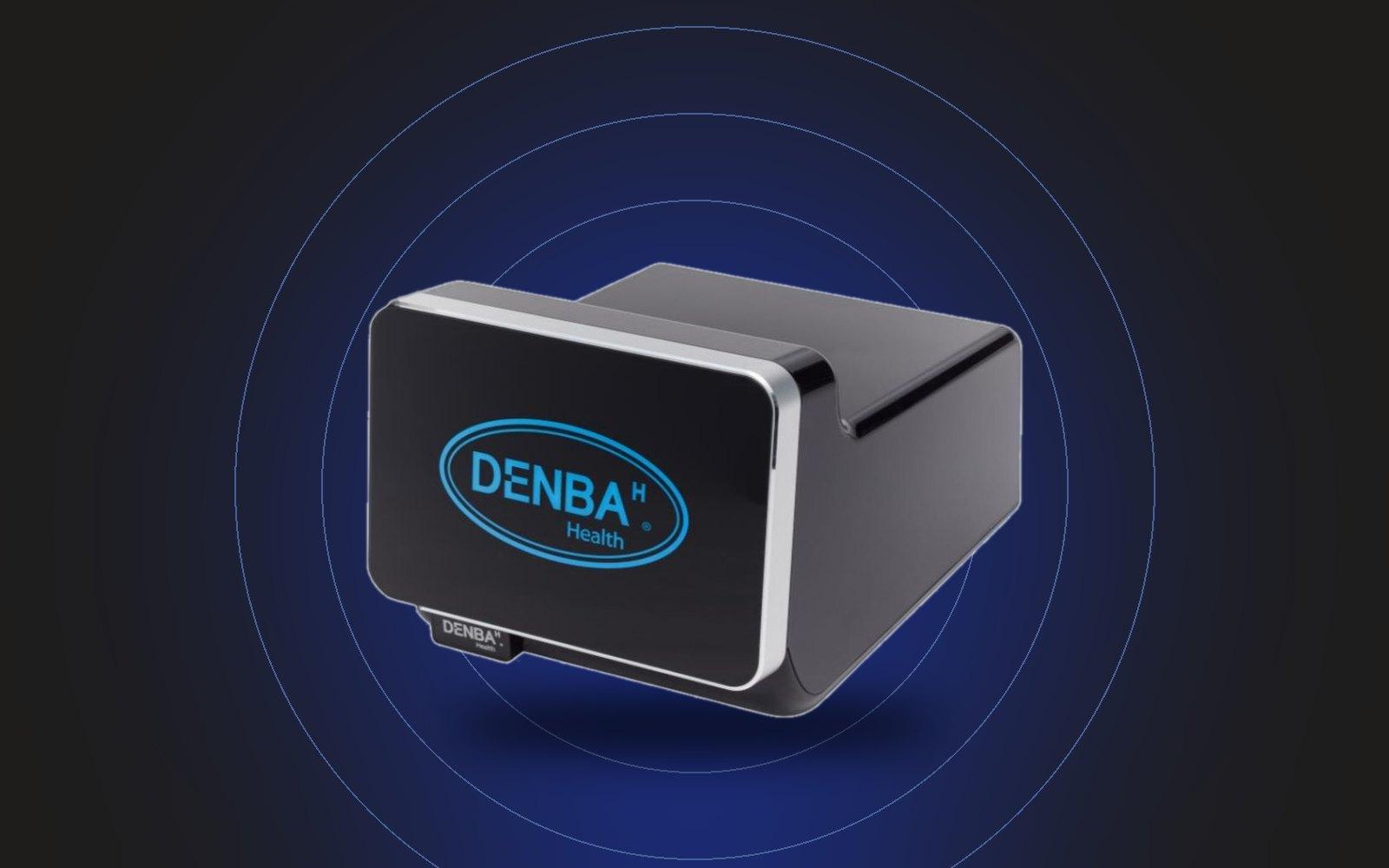
DENBA Health sits beside your bed and runs while you sleep. Try it at home for 30 nights with a fully refundable $199 deposit, and judge the difference on your own data.
Try DENBA for 30 nights.
$199 fully refundable deposit. Free shipping across Australia and New Zealand.
Start your trialThis article is general information only and is not medical advice. DENBA Health is a wellness device and is not intended to diagnose, treat, cure or prevent any disease. Speak with your doctor about any health concern.

Biohacking for beginners in Australia: where to start (and what to skip)
A practical biohacking guide for Australians and New Zealanders. The five foundations that matter most, the gadgets worth considering, and how to build a routine you will actually keep.
DENBA vs PEMF: what is the difference?
DENBA and PEMF are often mentioned together, but they work differently. A plain English comparison of electric potential and pulsed electromagnetic field technology, and how each is used.